What a basement floor coating job involves
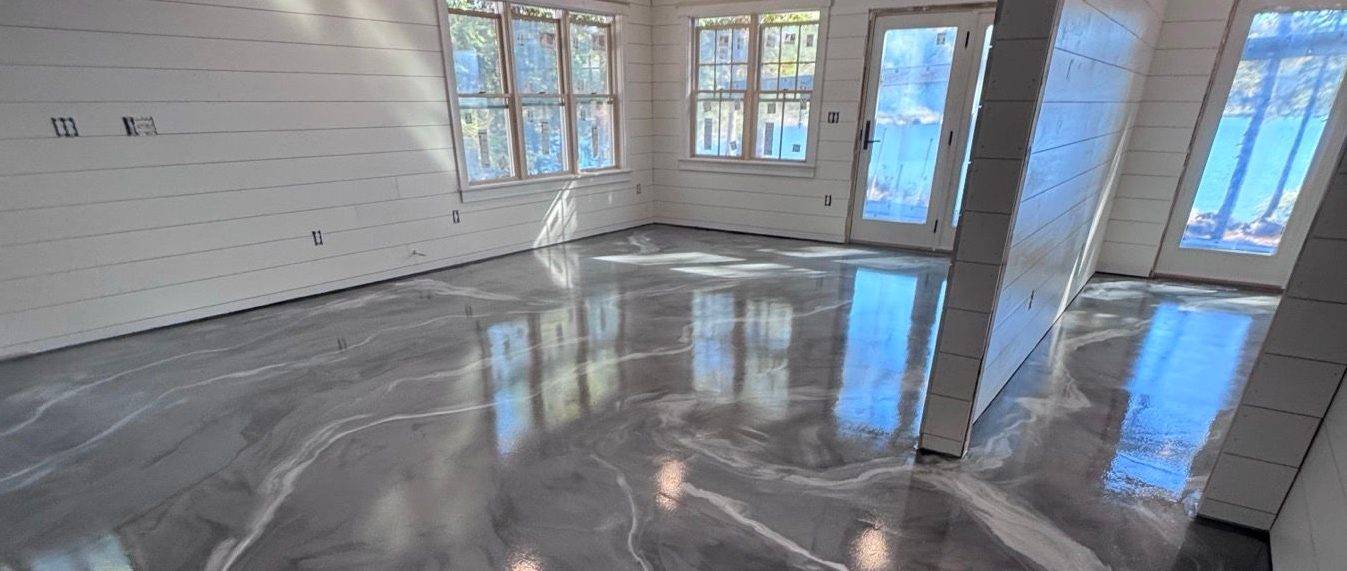
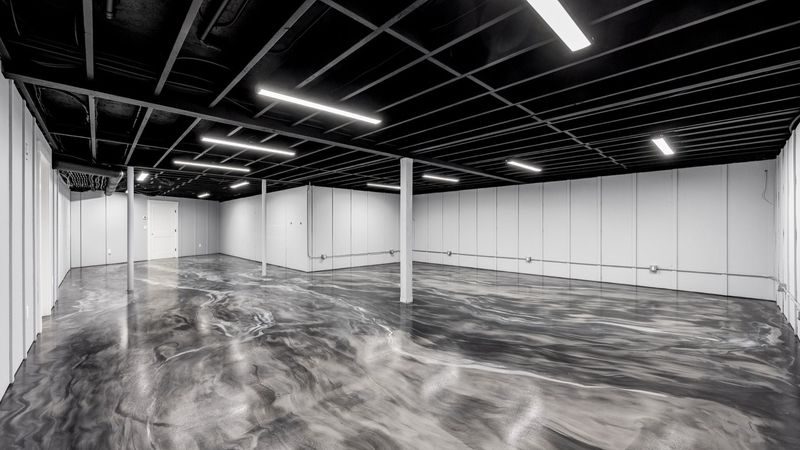
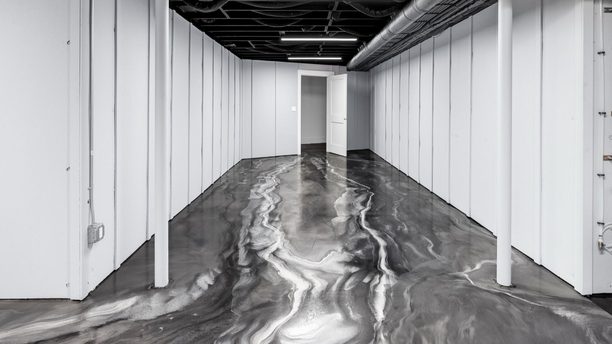
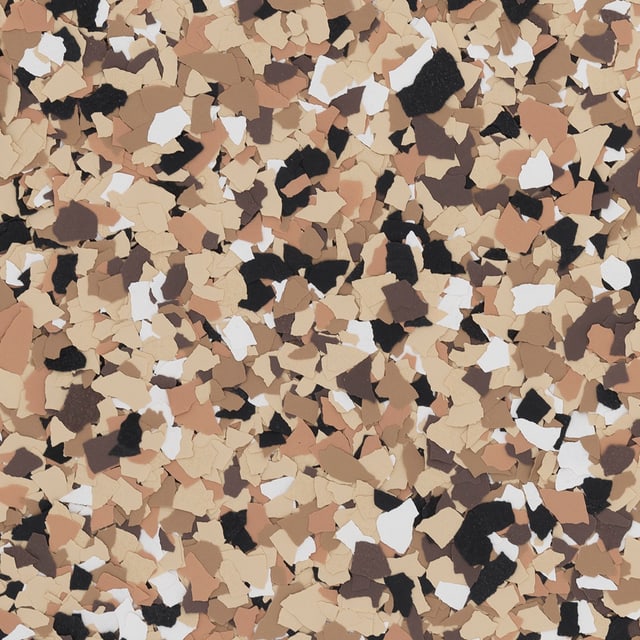
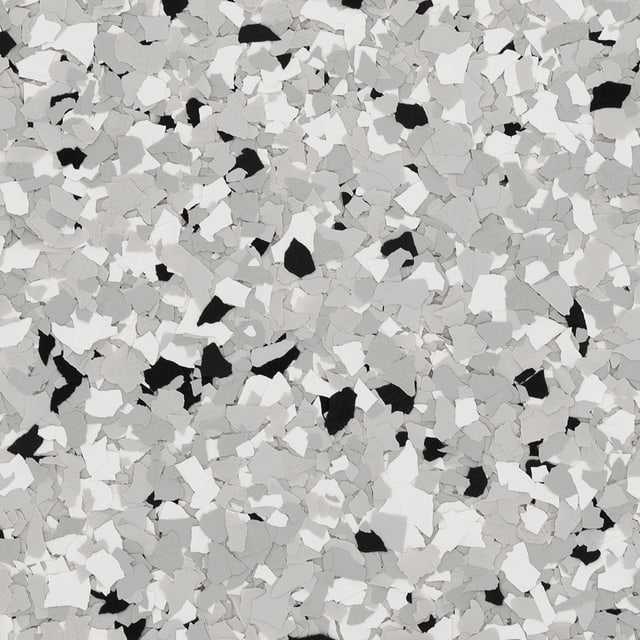
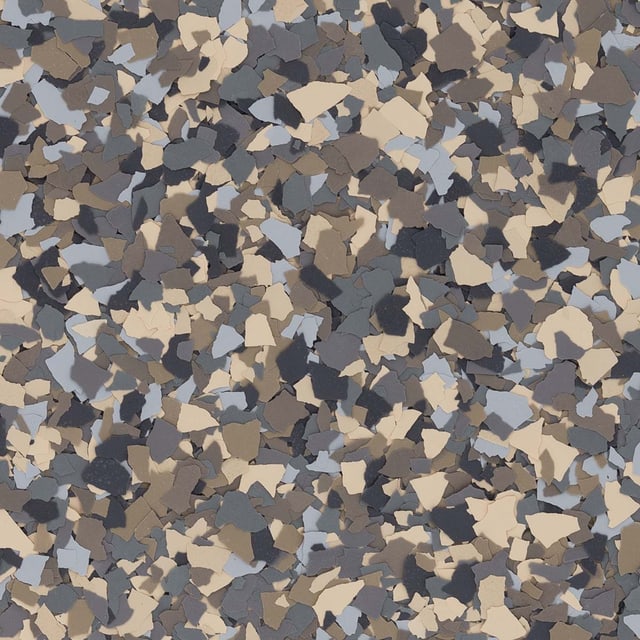
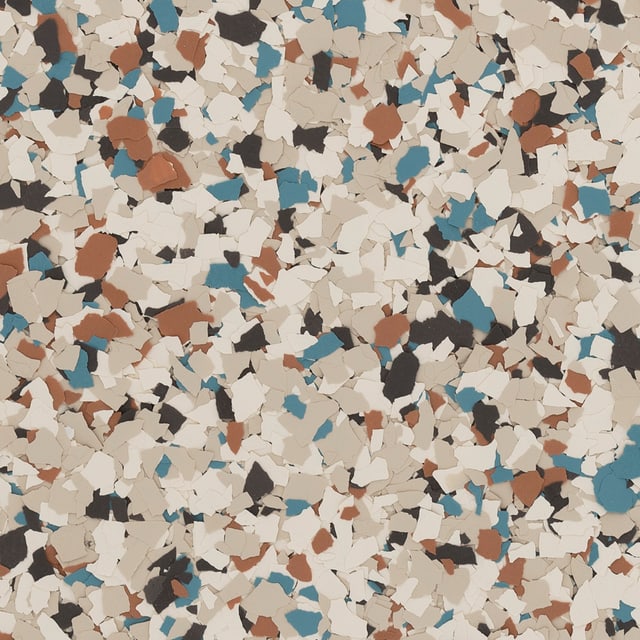
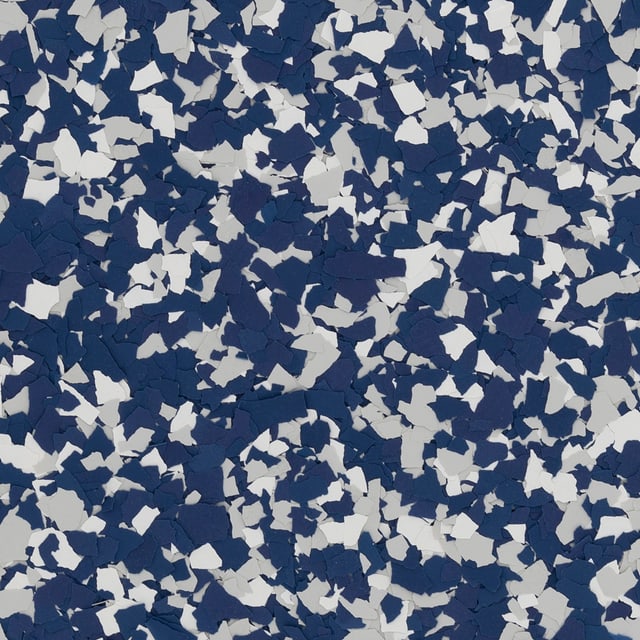
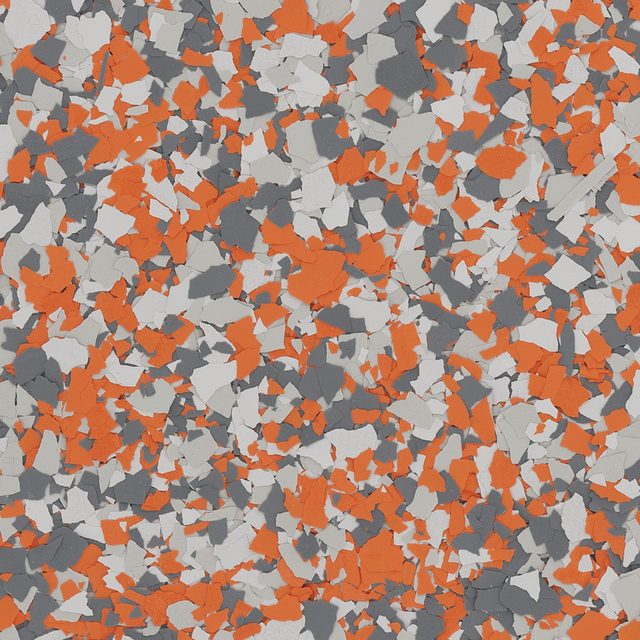
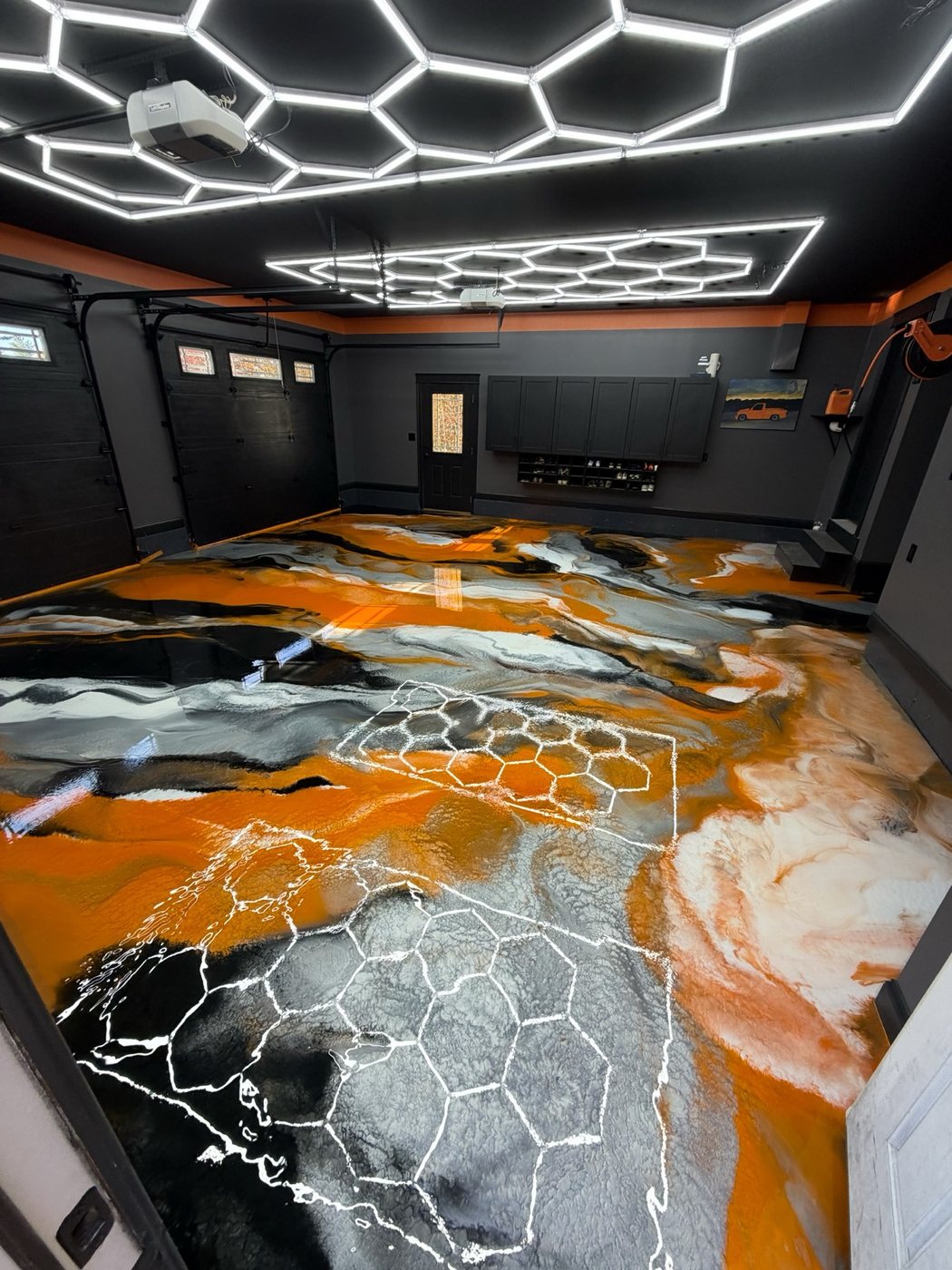
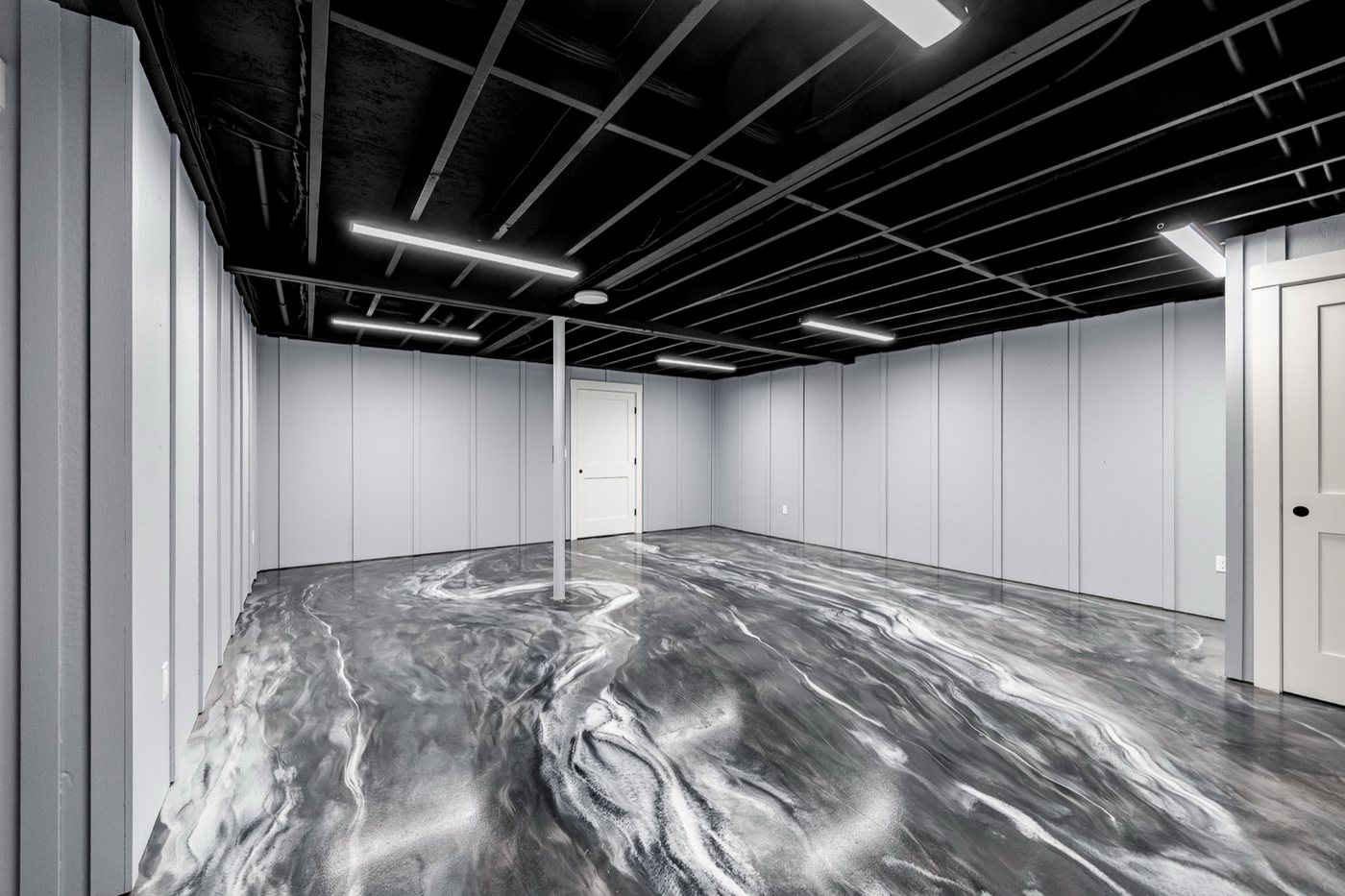
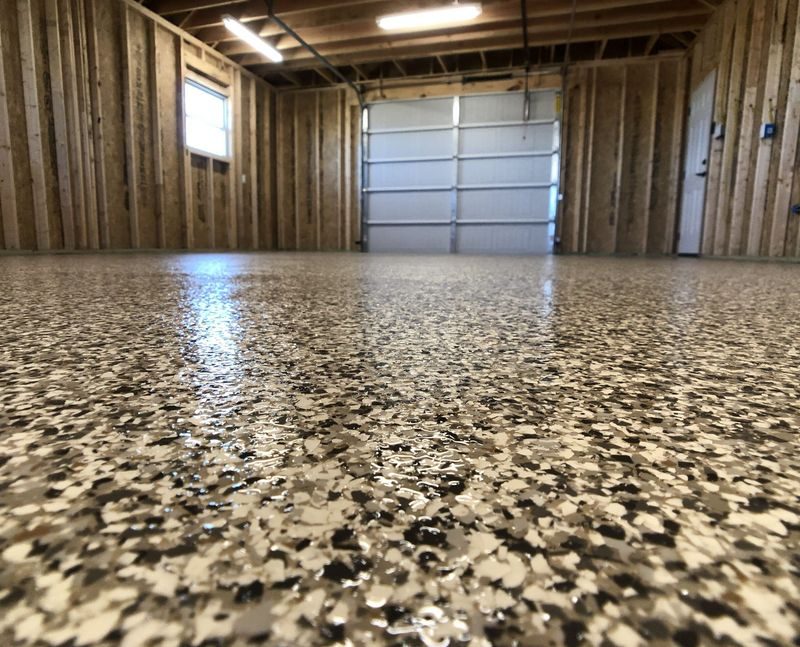
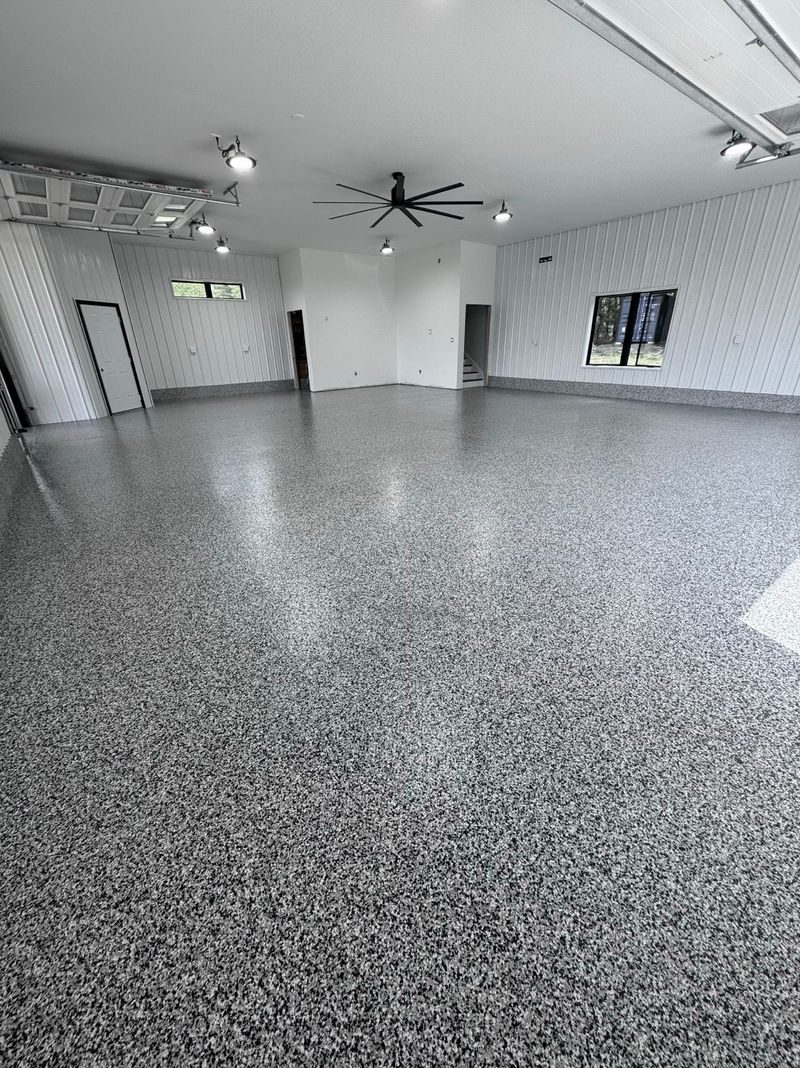
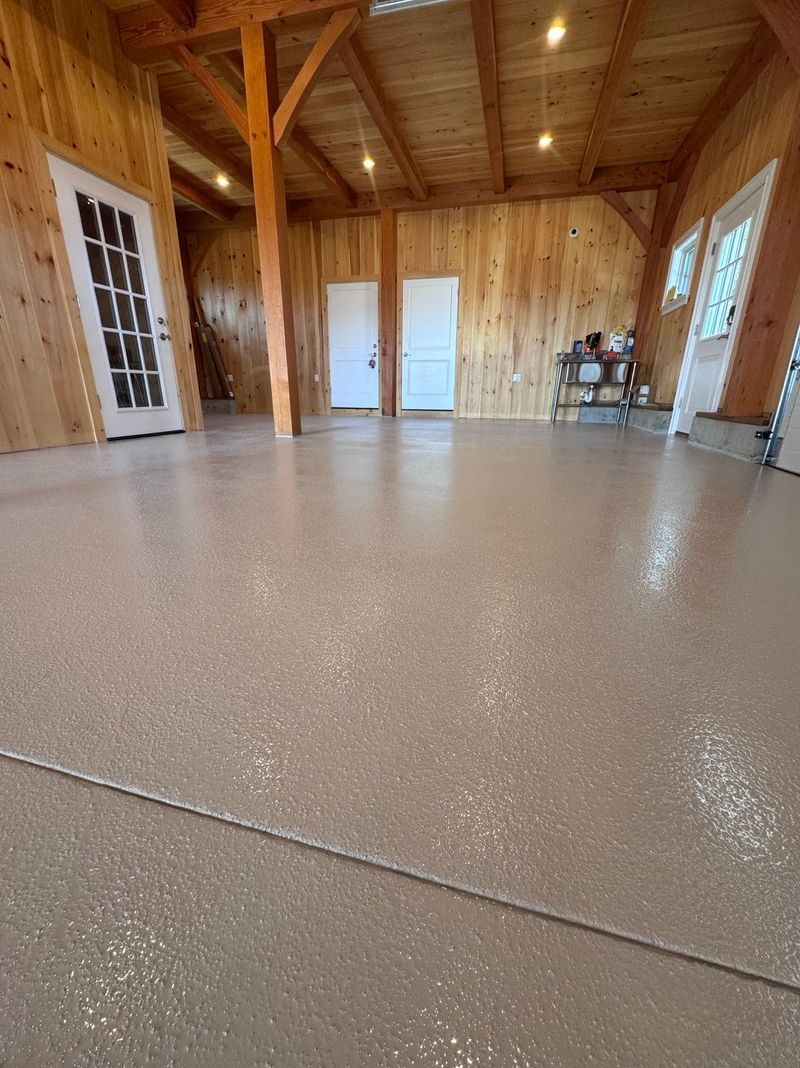
A basement coating starts with photos or a call, with a visit when the job calls for one. We assess the slab: how damp it is, whether it has old paint, tile adhesive or patches, and where the cracks and control joints run. The floor is then diamond ground so the coating bonds to clean, open concrete rather than to dust or an old sealer. Cracks and joints are repaired, a moisture vapor basecoat goes down, and then the finish system you picked — a solid color, a full-broadcast acrylic flake floor or a metallic epoxy finish — is built up and sealed with a UV-stable clear topcoat.
Light foot traffic is usually fine within hours. Moving furniture and storage back in typically takes 24 to 48 hours, and in a basement the heat and ventilation of the space decide which end of that range you land on.
Signs your basement slab is ready for a coating
- A fine gray dust that comes back no matter how often you sweep — bare concrete sheds it, and the furnace blower spreads it through the house.
- White, powdery deposits (efflorescence) left behind as moisture moves up through the slab and evaporates.
- A musty smell or damp patches after spring thaw or a week of rain.
- Stains, old paint that is flaking, or years of patching that make the room feel like a cellar rather than living space.
- A plan to finish the room — a gym, playroom, workshop or wine storage — and a floor that will not suit it.
Maine basements: moisture, thaw and radon
Many Maine homes, especially older ones, have basement slabs poured without a plastic vapor barrier beneath them, and every spring the snowmelt raises groundwater around the foundation. That is why the moisture vapor basecoat is part of our basement system: it is designed to hold a bond on concrete that is still passing vapor. A coating is not a fix for liquid water, though. If water runs in through a wall crack or pools on the floor, the drainage — gutters, grading, a sump — needs sorting first, and we will tell you so at the consultation.
Radon is the other basement question in Maine. The U.S. EPA recommends fixing a home at or above 4 pCi/L and advises testing before you finish a basement. A sealed floor closes the slab surface, but on its own it is not radon mitigation; a mitigation system is. If you are planning both, test first and have any sub-slab pipe installed before the coating goes down so the penetration can be detailed cleanly.
What affects the cost of a basement coating
We quote every basement after seeing it, because the price follows the floor. The main drivers are the square footage; how much preparation the slab needs (removing paint, carpet glue or tile mastic takes longer than grinding bare concrete); how many cracks, spalls and joints need repair; how damp the slab is; and which finish you choose, since a metallic floor takes more labor than a solid color or flake. Access matters too — equipment has to go down the stairs.
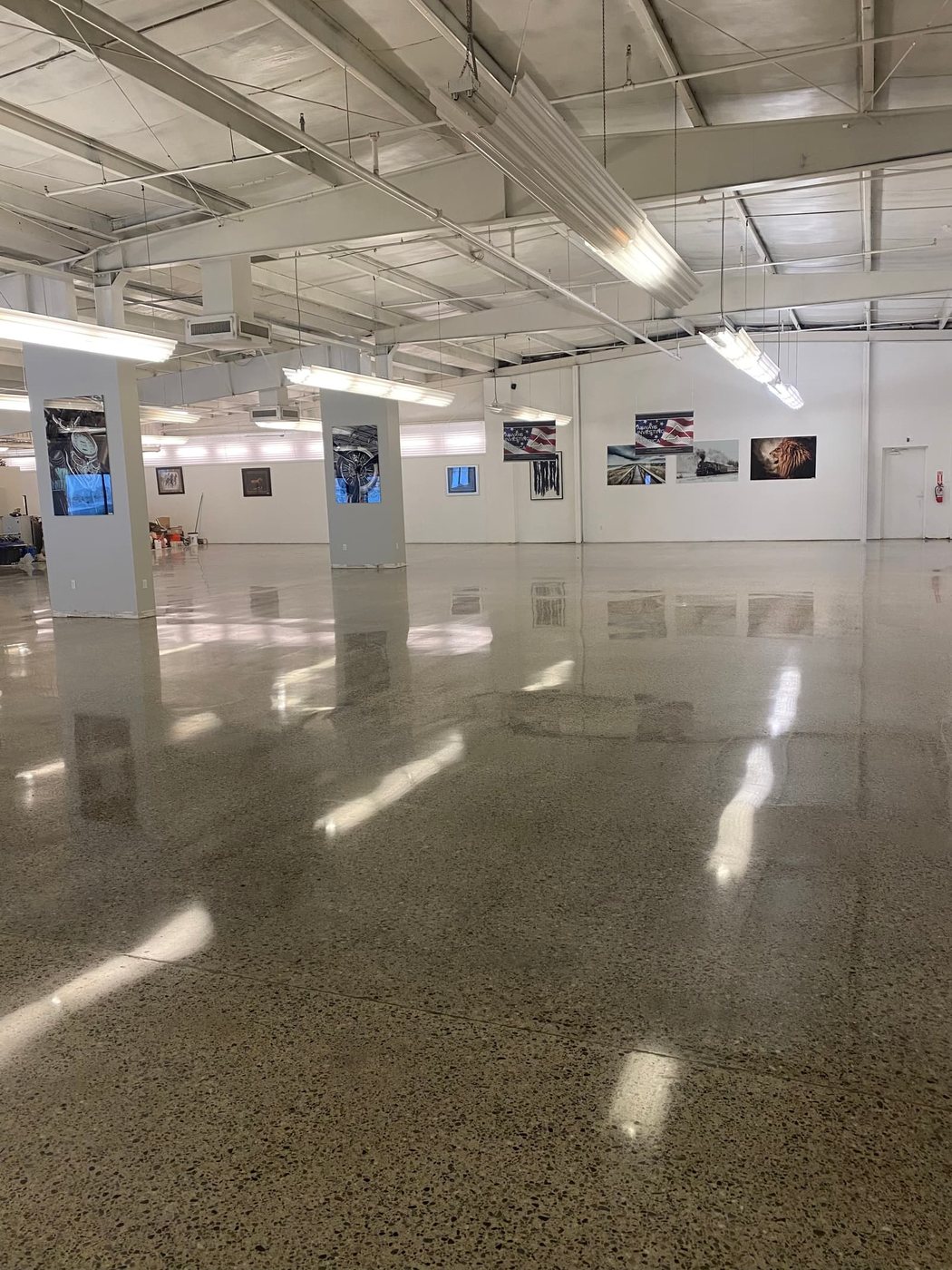
Unsure which finish suits a dark room? Our custom floor design service makes physical samples you can see under your own basement lighting, and the floor gallery shows finished basements. If the slab would rather stay bare, concrete polishing is the uncoated option.